The Hidden Engines of Growth: How Data Centers Are Powering the Future Economy
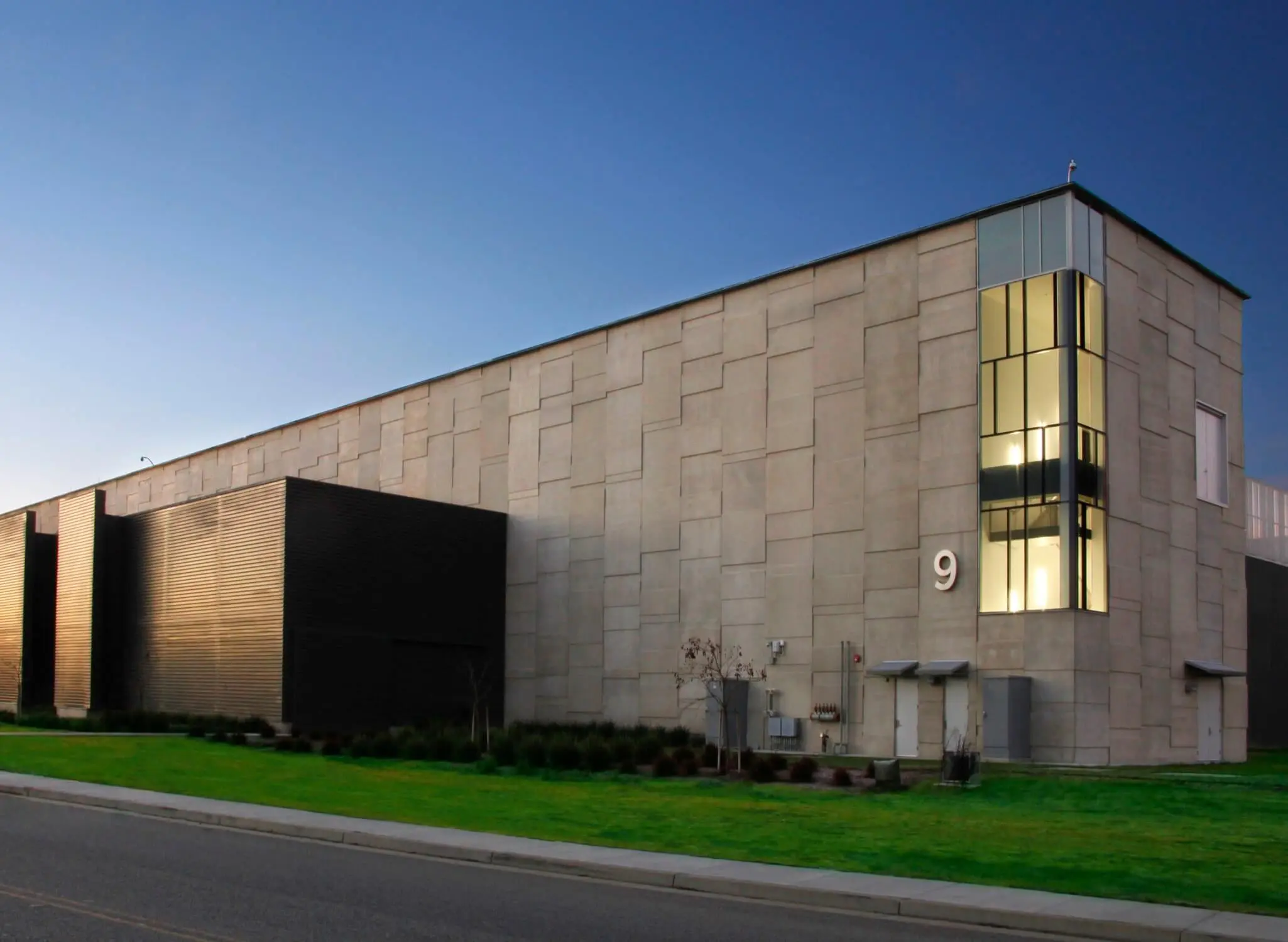
In the digital age, data centers are often visualized as faceless rows of blinking servers locked away in windowless warehouses. However, for the modern economy, they are as vital as power plants or highways. As we look toward a future driven by Artificial Intelligence (AI) and cloud computing, data centers are emerging not just as storage facilities, but as critical economic engines.
For communities and businesses—from the local coffee shop to the global enterprise—the expansion of data center infrastructure offers profound economic benefits. Here is how these digital fortresses are paving the way for a more robust future economy.
1. Leveling the Playing Field for Small Businesses
Historically, only large corporations could afford the massive computing power needed to run advanced analytics or global supply chains. Data centers have changed that forever through the Cloud.
Access to Enterprise-Grade Tools:
Data centers house the physical hardware that runs cloud services (like AWS, Azure, or Google Cloud). This allows a small family-owned business to access the same marketing tools, customer relationship management (CRM) software, and cybersecurity protections as a Fortune 500 company, often for a low monthly subscription rather than a million-dollar investment.
Scalability:
For a growing small business, physical servers are a liability—they are expensive to buy and maintain. With robust data center infrastructure, small businesses can expand their digital footprint instantly. If a local e-commerce brand goes viral, the data center scales with them, ensuring their website doesn't crash during their biggest moment of success.
2. The "Local Ecosystem" Effect
When a data center sets up shop in a community, the economic ripple effects are felt far beyond the tech sector.
Boosting Local Revenue:
The construction of a single data center is a massive capital project, often employing hundreds of local tradespeople, electricians, and engineers. Once operational, these facilities require security, landscaping, and maintenance crews.
Supporting the Service Industry:
The influx of skilled workers and contractors drives demand for local services. Restaurants, hotels, and retail stores often see a revenue spike in regions with active data center hubs.
Tax Revenue & Infrastructure:
Data centers are significant contributors to local tax bases. In established hubs like Loudoun County, Virginia, data center tax revenue funds schools, roads, and emergency services, effectively lowering the tax burden for local residents and small business owners.
3. Strengthening Large Corporations and Industry
For large-scale enterprises, data centers are the backbone of efficiency and innovation.
Reliability and Uptime:
In a 24/7 global economy, downtime costs millions. Modern data centers offer "five nines" (99.999%) reliability, ensuring that banks, hospitals, and logistics companies can operate without interruption.
The AI Revolution:
As corporations race to integrate Artificial Intelligence, the demand for computing power is skyrocketing. AI models require massive processing capabilities that cannot exist on a standard office laptop. Data centers provide the high-performance computing (HPC) environments necessary to train AI models that predict market trends, discover new drugs, and optimize energy grids.
4. Expanding Digital Resources for the Future
The most significant benefit of data centers is their role as the foundation for the future digital economy.
Better Connectivity:
Data centers often attract massive investments in fiber-optic infrastructure and power grid upgrades. This improves internet speeds and grid reliability for everyone in the region, solving the "last mile" connectivity issues that often plague rural or developing areas.
Data Sovereignty and Security:
Having data centers located domestically ensures that sensitive financial and personal data stays within local jurisdictions, complying with regulations and protecting national economic interests.
5. Sustainable Infrastructure: Solving the Water Problem
A common fear among local communities is that data centers will "drink" the local water supply to keep servers cool. However, modern data center infrastructure is rapidly shifting toward technologies that use little to no municipal water.
Closed-Loop Cooling Systems:
Unlike old industrial factories that constantly pulled in fresh water and dumped out hot water, modern data centers use "closed-loop" systems. In this setup, the water is filled once and circulates continuously inside the facility. It carries heat away from the servers, passes through a heat exchanger to cool down, and then cycles back. This means the facility does not need a constant supply of fresh water from the town.
Waterless & Immersion Cooling:
The newest generation of high-performance data centers (especially those used for AI) are adopting "liquid immersion cooling." Instead of using water, servers are submerged in a special non-conductive fluid that absorbs heat far more efficiently than air or water. This fluid is recycled internally, reducing water usage to near zero.
Recycled Water Usage:
When water is needed, responsible data centers often pay to build their own "purple pipe" infrastructure. This allows them to use treated wastewater (recycled water) for cooling rather than dipping into the drinking water supply. This infrastructure often benefits the town by creating a new revenue stream for the local water utility without impacting the fresh water used by residents and farmers.
Conclusion
Data centers are more than just "cloud storage"; they are the factories of the 21st century. By providing the infrastructure for digital resources, they allow small businesses to innovate, large corporations to stabilize, and local economies to thrive. As we move further into a tech-driven future, the presence of these facilities will be a key indicator of a region's economic health and potential.
Revised Key Takeaways for Business Owners & Community
- Small Businesses: Utilize cloud-based tools hosted in data centers to compete with larger rivals without heavy upfront costs.
- Community Members: Modern data centers can be "water positive" by investing in closed-loop systems and recycled water infrastructure, ensuring local water supplies remain available for residents and agriculture.
- Investors/Planners: Look for regions with growing data center investments as indicators of future infrastructure improvement and economic stability.